Chamonix grades harder than almost anywhere in France. The six ski areas are not connected. The bus is free. POV video for every run — see what you're skiing before you leave the hotel.
Chamonix has a reputation as the world's off-piste capital, which makes it sound terrifying if you're an intermediate skier looking for a good cruising blue. The actual situation is more nuanced: some of the best intermediate skiing in the French Alps is here, it's just not where most people start looking. Two sectors — Les Houches and Le Tour — are genuinely excellent. The rest requires calibration.
The other thing to understand before you arrive: Chamonix is not one ski resort. It is six completely separate ski areas spread across 20 kilometres of valley. A free shuttle bus connects them. You cannot ski between them. This changes how you plan every single day of the trip.
Chamonix grades its runs harder than most French resorts. A blue here is often equivalent to a demanding blue or an easy red elsewhere. The community consensus on this is unusually consistent: don't start at Brévent. Don't start at Flégère. Start at Les Houches, spend two days there, then see how you feel.
| Run | Area | Grade | Best for |
|---|---|---|---|
| La Cha | Les Houches | Easy | First run of the trip |
| Chamois | Les Houches | Easy | Second run, more open terrain |
| Arve | Le Tour / Balme | Easy | Long cruisers, best snow |
| La Vormaine | Le Tour valley floor | Easy | Warm-up before the gondola |
| Retour Flégère | Flégère | Blue | Morning laps, easy return |
| Chavanne | Flégère | Blue | Afternoon + the bar at the bottom |
| Blanchots | Brévent | Hard Blue | Day 3+, best views in the valley |
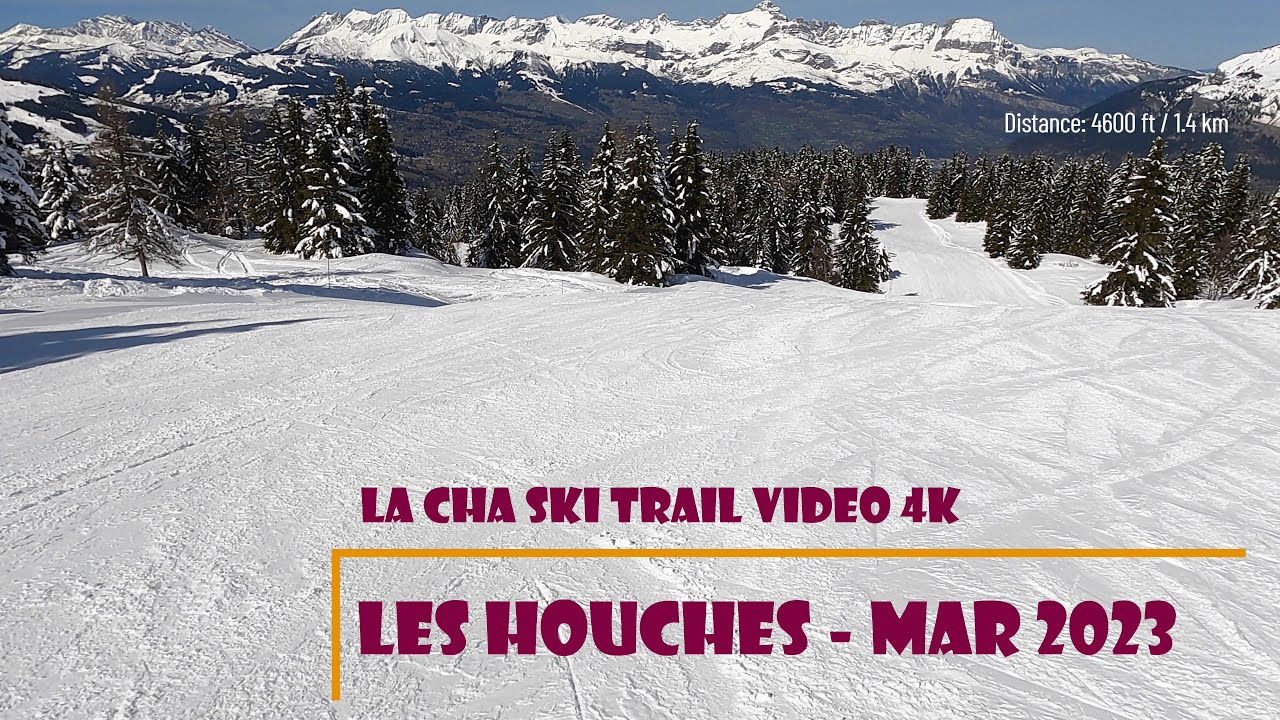
If you're at Chamonix for the first time as an intermediate, this is where you start. Wide, tree-lined, consistent gradient, no surprises. Works as a proper warm-up before anything more demanding — the kind of run you do twice before your legs remember what skiing feels like. The tree cover makes it right even in bad weather or flat light when the upper mountain is a whiteout.
From Chamonix centre: Free ski bus, 15–20 minutes. Coupe du Monde gondola from the village base. La Cha is in the lower area — Chalats chairlift.
Mixed ability groups: Les Houches is unusually good here. The Kandahar downhill piste is in the same area — advanced skiers can run it while intermediates lap La Cha and Chamois below. Same gondola, different terrain.
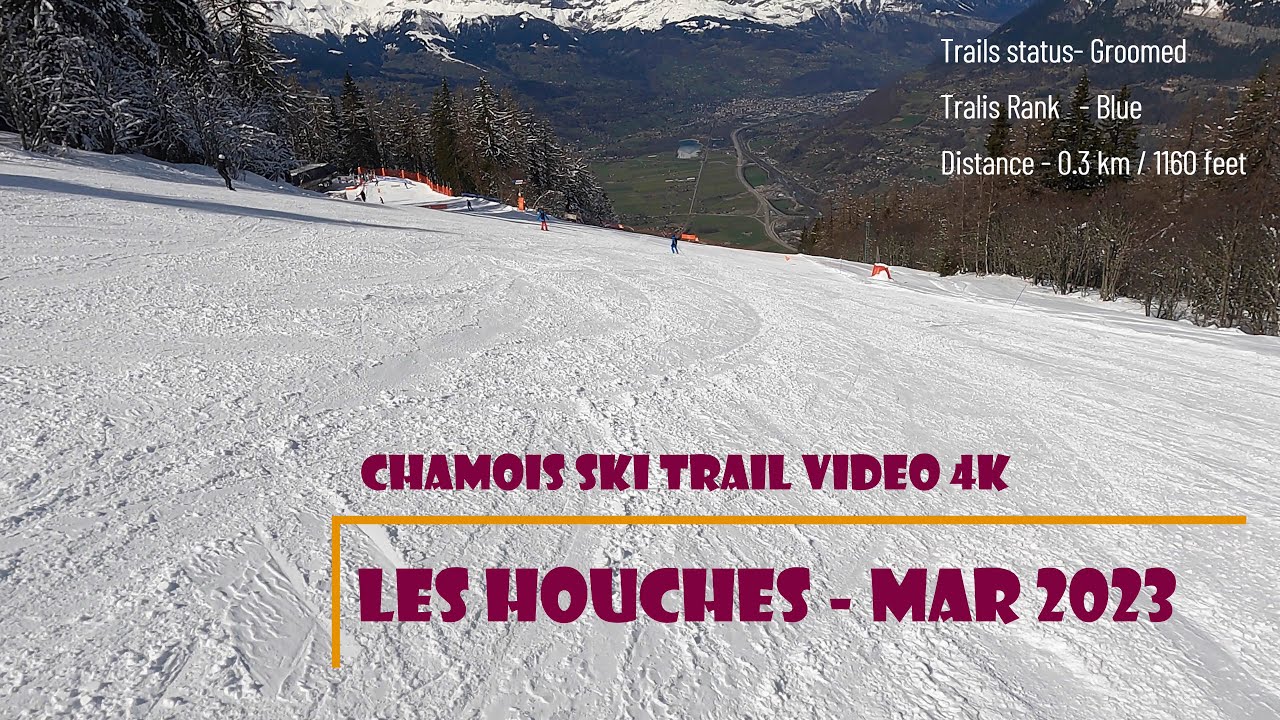
Chamois is the second essential Les Houches easy blue — slightly different character from La Cha, with more open sections where you can open up and build speed. Good second run of the day once La Cha has warmed up your legs. The recommendation for a first day in Chamonix: alternate these two until you've calibrated to the grading here before you go anywhere else.
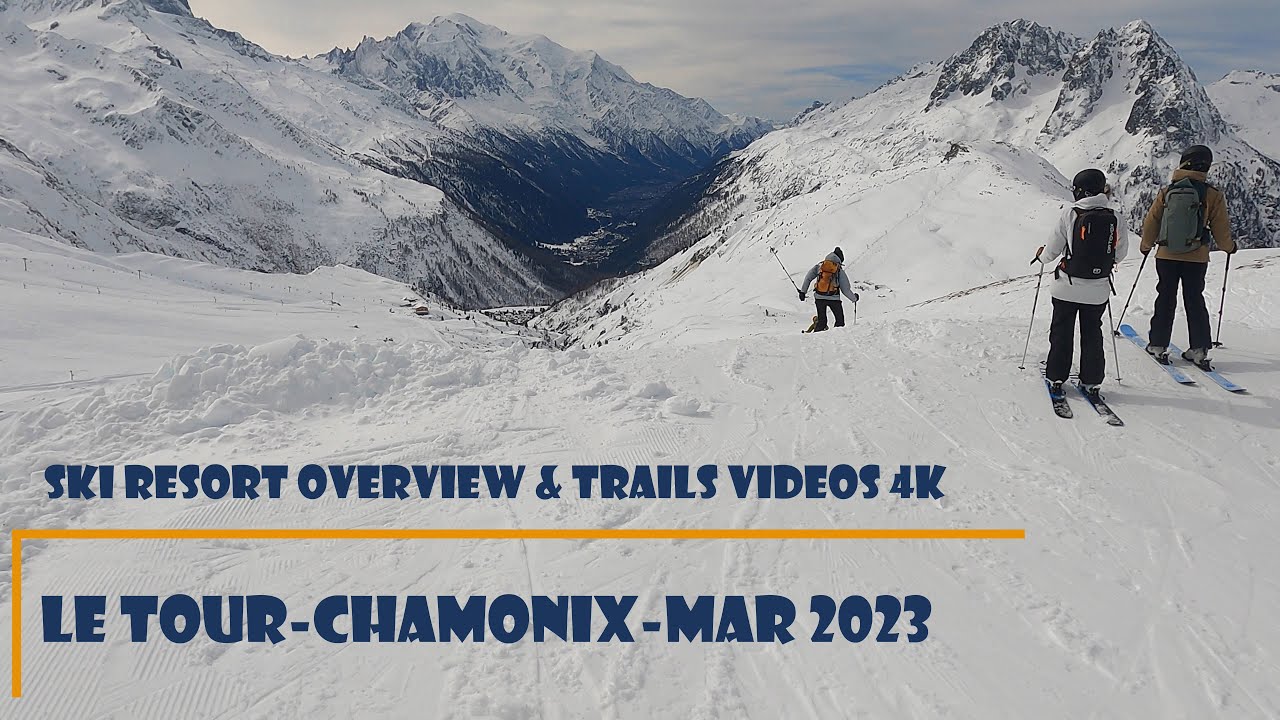
A naming note: Le Tour is the village at the far northeast end of the valley. The ski area above is officially Domaine du Balme — it also covers Vallorcine. Most people say Le Tour informally, fine, but Domaine du Balme is what you'll see on signage.
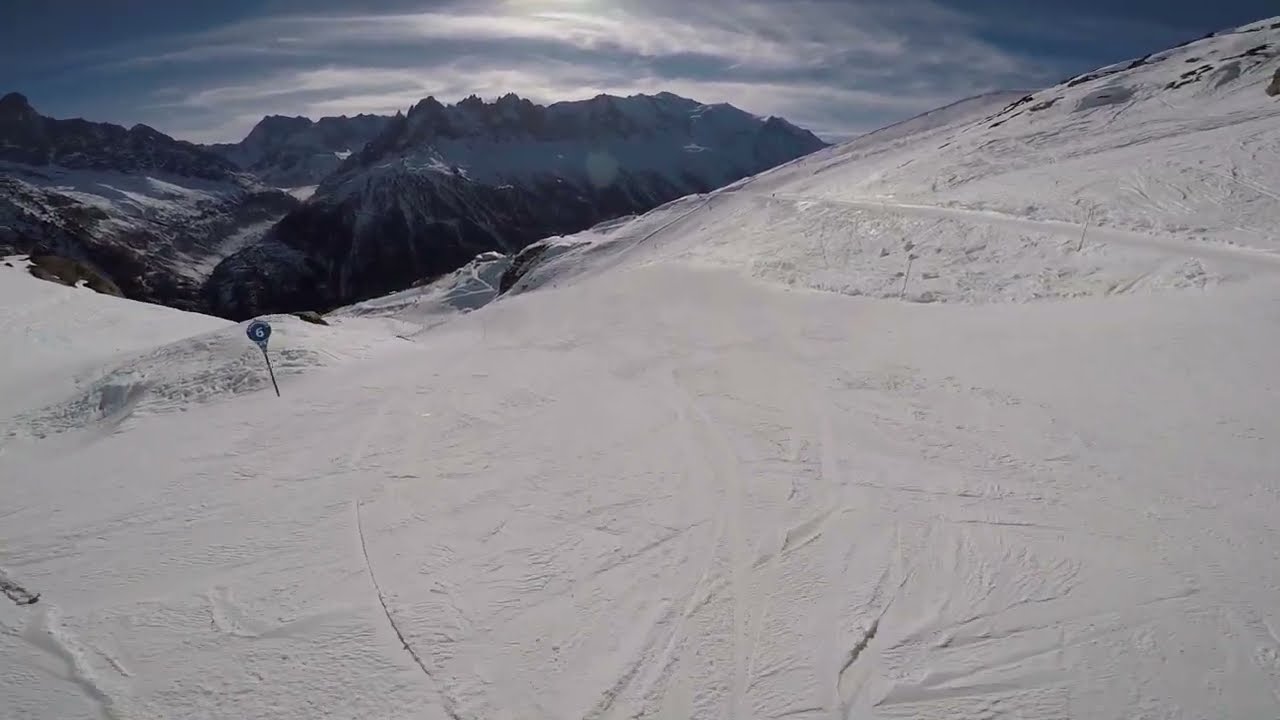
The Arve is the signature blue here — long, winding, following the contours of the Balme plateau with views toward Switzerland. Consistently wider than most Chamonix blues. The northeast-facing aspect means it typically holds the best snow in the valley. The 35-minute bus ride is worth it. The video covers the full area including La Vormaine at the valley floor.
Wind check first. Le Tour is the most exposed area in the valley. On a strong wind day the Balme plateau is brutal — face mask, hand warmers, multiple layers. Check the forecast before committing to the 35-minute bus ride. If it's brutal up top, spend the day at Les Houches instead.
Separate from the main Domaine du Balme area above — La Vormaine sits at the valley floor in Le Tour village, at 1,464m, served by four drag lifts. No gondola required. The ski area is specifically designed as a beginner-to-intermediate progression zone: three green runs, one blue run through the forest, a boardercross area, and a freestyle learning area. The blue is gentle by Chamonix standards — a forest-sheltered descent that serves as the logical step between the nursery slopes and the steeper terrain of Balme above.
The sunny, south-facing aspect and protected position make it the most forgiving environment in the valley. If you're nervous about Chamonix's reputation, or returning after a long gap, a morning here before taking the Balme gondola up is the right move. Café terrace at the base, views of the Tour glacier above. Step off the bus and you're there.
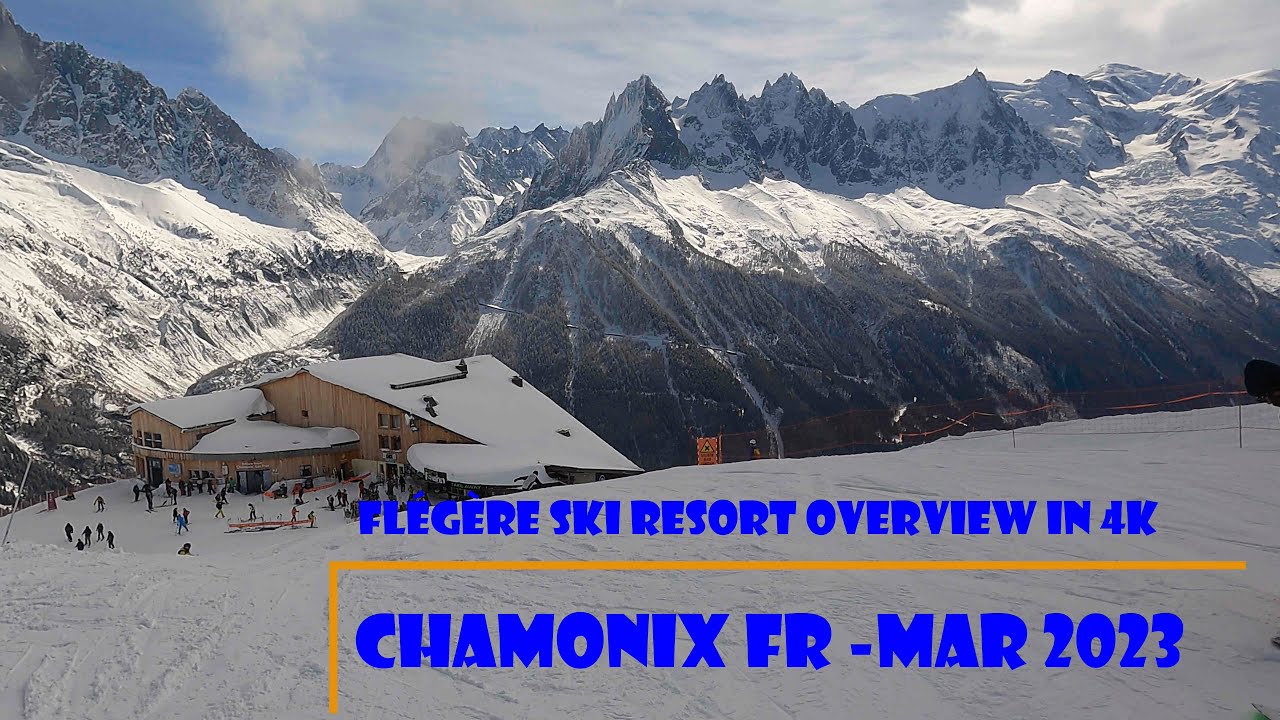
Flégère is the ski area above Les Praz village — cable car from a bus stop 10 minutes from Chamonix centre. South-facing, good morning sun, slightly gentler in character than Brévent. The Retour Flégère run ends directly at the cable car station, which means you can descend, ride back up, and lap it without any complicated routing or traverses. Two or three laps in the morning, then Chavanne after lunch when you're warmed up.
The green at Flégère is not the easy option. It has a narrow, steep, curving start that's been flagged repeatedly as harder than marked. Retour Flégère (blue) is actually the better choice for nervous skiers here. The green label is misleading.
Named after its chairlift. Mid-mountain blue through open terrain, views across the valley to the Brévent massif. A proper intermediate run — genuine gradient, more interesting than the simpler beginner blues, not threatening. Worth it on its own. But the reason it's on this list is what's at the bottom: the Chavanne bar at the base of the lift, a community institution, the recommended après-ski stop in the Flégère area. Plan to be there by 3pm. Retour Flégère in the morning and Chavanne in the afternoon is Flégère done correctly.
"Ski Chavanne and end at the bar at the bottom of the lift. One of the best après spots in the valley."
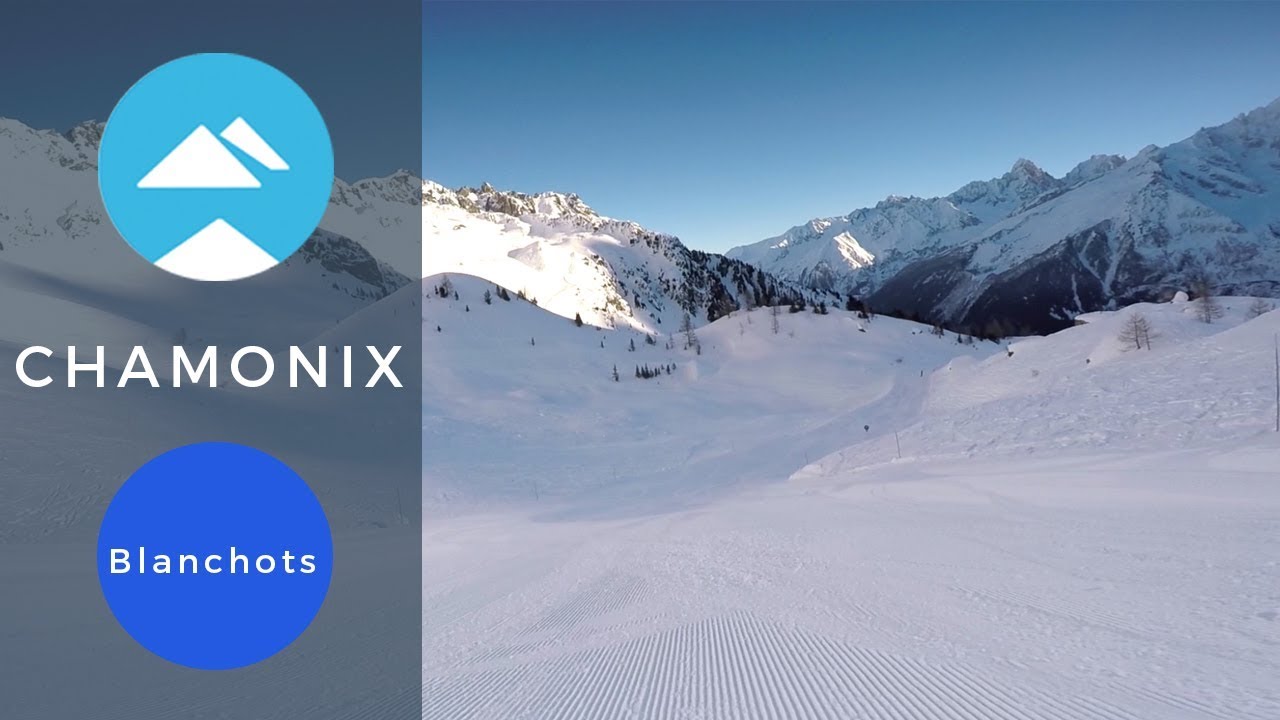
— Chamonix ski communityThe hardest run in this guide. Graded blue, skis like a demanding blue or easy red by most other resorts' standards. It earns its place here for one reason: the views of Mont Blanc from Blanchots are the best of any blue run in the Chamonix valley. That view — the full massif, directly in front of you, at the grade you can actually ski — is worth the trip. Watch the run before you go.
Save Blanchots for day 3 or later. Your legs need to be calibrated to Chamonix's grading first — two days at Les Houches or Le Tour. Brévent blues are not too steep, but "not too steep" means something different here than at Méribel. The Mont Blanc views are still there on day 4.
Les Marmottons is a connector blue in the Grands Montets — primarily an advanced and off-piste sector out of scope for this guide. Worth knowing for mixed-ability groups where one skier wants the Grands Montets and another needs a blue to ski while they wait. That specific use case only — no broader intermediate recommendation implied.
The busFree with your lift pass. Connects all areas along the main valley road. Download the Chamonix Bus app for real-time arrivals — wait times vary and the app is the only reliable way to know when the next one is coming. Les Houches and Le Tour are at opposite ends of the valley: one area per half-day, not both in a morning.
Is Chamonix good for intermediate skiers?
Yes, with caveats. The terrain is excellent. But Chamonix grades harder than most resorts, the areas aren't connected, and navigation requires planning. If your group includes very nervous intermediates or beginners, Méribel or Paradiski is more forgiving. If you're a confident intermediate willing to do the homework — which you just did — Chamonix is extraordinary.
Les Houches or Le Tour — which is better for intermediates?
Both, across different days. Les Houches is more accessible, has tree cover for bad weather, and works well for mixed-ability groups. Le Tour / Domaine du Balme has better snow, longer runs, views toward Switzerland. Use both rather than committing to one.
Can I ski to the village at the end of the day?
From Les Houches — yes. From Brévent and Flégère — technically yes, but the lower runs get icy in the afternoon; multiple experienced visitors recommend taking the gondola down after 2pm. From Le Tour, the bus is standard.
Do I need the Mont Blanc Unlimited pass?
For intermediates covering Les Houches, Brévent, Flégère, and Le Tour — the standard Le Pass is sufficient. Mont Blanc Unlimited adds Courmayeur (Italy) and the Aiguille du Midi cable car. For a 5–7 day trip, MBU is worth it. For shorter trips, buy Les Houches day passes separately.
Where's the best après-ski?
On the mountain: the Chavanne bar at Flégère. In town: MBC (Micro Brasserie de Chamonix) on Rue du Bouchet — craft beer, relaxed, reliable. La Folie Douce in town for the party option.
Start at Les Houches. Save Brévent for day three. Check the wind before heading to Le Tour. Take the gondola down when the lower mountain is icy. Download the bus app. Watch the POV for any run you're unsure about before you leave the hotel — that's what they're there for.
La Cha and Chamois, the Arve run at Domaine du Balme, and Retour Flégère are genuinely among the best intermediate ski runs in the French Alps. The views from Blanchots are unmatched by any blue in the valley. It's not the easiest resort to navigate as an intermediate. It's also not as terrifying as its reputation suggests.
Write a few lines. Add some photos. We turn it into a proper travel article. Next time someone asks you for a recommendation, you'll have a link.